This is a Guest Post about traveling in Ladakh! Enjoy the post below.
Nobody really explains Ladakh properly before you go. People show you photos, obviously. Crystal clear blue wakes lakes. Curved mountain roads. Someone sends you a reel with dramatic music and bikes crossing muddy streams. You hear about Pangong Lake, monasteries, altitude sickness, and double-humped camels of Nubra Valley. All of it sounds exciting in theory. But our trip to Ladakh truly began the moment we landed in Leh.
Our carefully planned WanderOn Leh Ladakh trip package stopped feeling like an itinerary on a website and started feeling like a real adventure. The first thing you notice is how strangely quiet everything feels. Even the airport feels slower somehow. The air is thinner than you expect. Your lips dry out almost immediately. A taxi driver wraps a wool cap tighter around his ears while waiting outside. Prayer flags move constantly in the wind like they never really stop.
And suddenly our trip to Ladakh stopped feeling like something we had planned online for months.
The First Day in Leh
Every Ladakh travel guide says the same thing that during your first 24 hours: don’t rush yourself here. Honestly, that advice matters more than people realize.
We spent our first afternoon doing almost nothing. Just walking through Leh Market slowly because even walking uphill felt weird at that altitude. Shopkeepers sat outside tiny stores drinking tea in the cold sunlight. A dog slept near a pile of trekking bags outside a café. Somewhere nearby, butter tea was boiling, and the smell kept drifting through the street.
You notice little things in Leh. The sound of bike engines echoing through narrow roads. Wet clothes drying on hotel railings. Tiny bakeries selling apricot jam and momos side by side. Nothing about that first day was dramatic. But I still remember it clearly.
The Road to Nubra Valley Felt Unreal
The real Leh Ladakh trip begins once you leave Leh behind. The drive to Nubra Valley is probably one of the strangest roads you’ll ever sit through.
Khardung La Pass at 17,500 feet almost doesn’t look real when you reach it. We saw snow pushed to the side of the roads and army trucks moving slowly through fog. It was surprising to see small tea stalls somehow functioning in freezing wind while tourists stood outside taking photos with numb hands.
The higher we went, the quieter the vehicle became. At some point the music stopped, conversations disappeared, and everybody just looked out the windows silently. Then Nubra arrived out of nowhere, and suddenly the entire landscape felt different again.
You expect mountains in Ladakh, obviously. What you don’t expect are sand dunes sitting between them like someone accidentally mixed two different countries together.
Hunder looked dusty and golden by evening. Double-humped camels walked slowly across the sand while cold wind kept coming down from the mountains behind us. It felt slightly confusing in the best possible way.
That night got really cold, fast. People gathered around heaters in the guesthouse dining room wearing mismatched wool socks and oversized jackets. Outside, everything was silent again.
Pangong Lake Looks Fake at First
The road to Pangong is exhausting, honestly. The roads were rough for hours at a stretch, so our driver kept pulling over at tiny tea stalls every now and then. Nobody complained. We started looking forward to those stops more than expected.
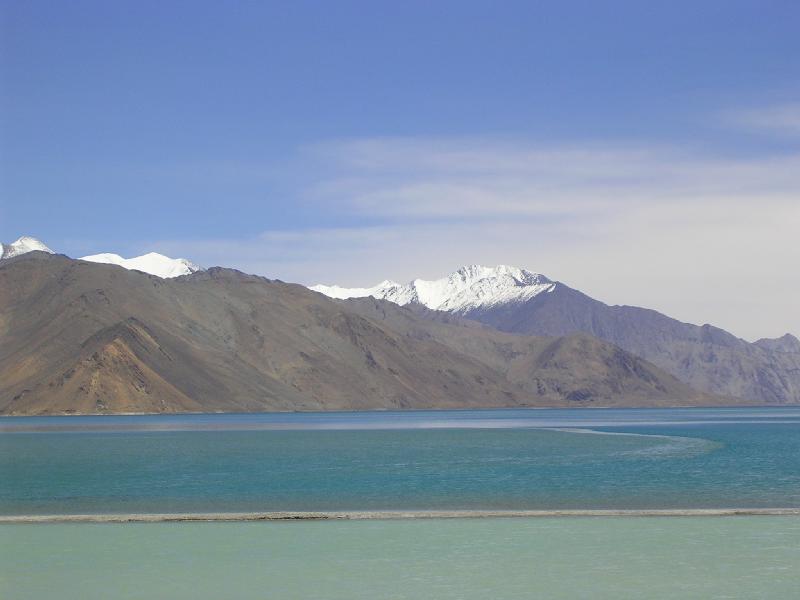
Then suddenly the lake appears. And for a minute your brain genuinely struggles to understand the color of the water. Photographs don’t really help beforehand because Pangong changes constantly. Deep blue in one direction. Silver near the edges. Turquoise where sunlight hits directly. Even the clouds reflect differently every few minutes.
This part of our trip to Ladakh honestly felt unreal. The wind there is brutal, though. By evening everybody near the camps is layered in sweaters and scarves, standing around with paper cups of tea trying to stay warm. You can hear tent fabric flapping all night long because the wind never settles completely.
But the sky makes up for it. No traffic sounds. No buildings nearby. Just stars everywhere above the lake and occasional distant voices carrying strangely far in the cold air. That night became one of the strongest memories from our entire Ladakh travel experience.
Monasteries Felt More Human Than Expected
I thought monasteries on the Leh Ladakh trip would feel overly touristy by now. Somehow they didn’t.
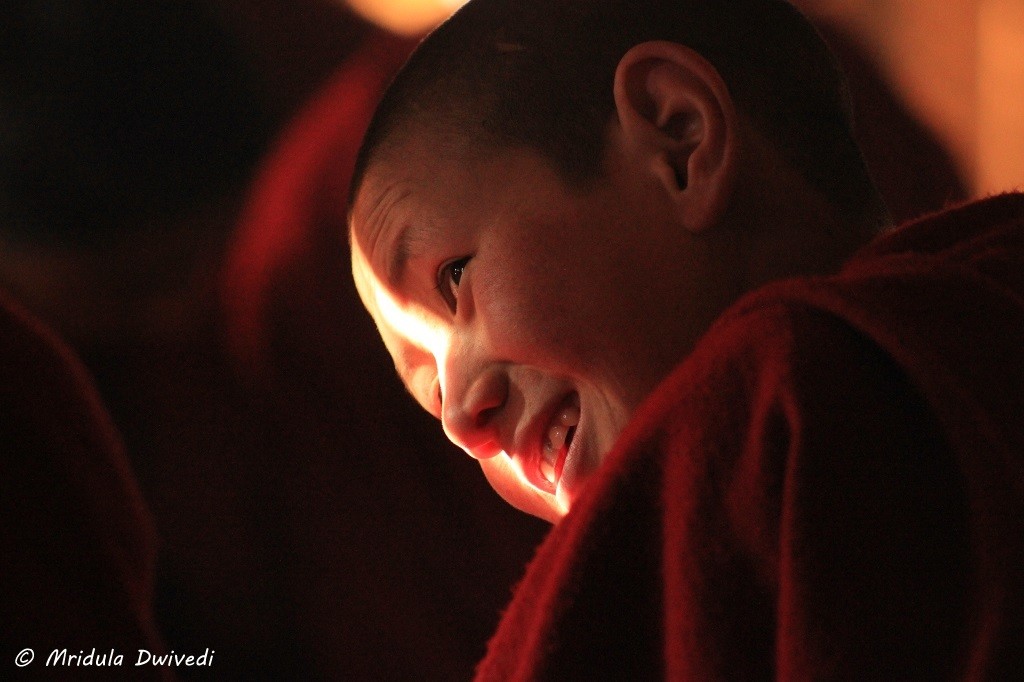
Thiksey Monastery especially stayed with me. Not because it was grand or spiritual in some dramatic movie-like way. Mostly because normal life was happening around it with young monks running through corridors laughing loudly. Old murals looked slightly faded near the corners.
At Hemis Monastery, we sat quietly for a while listening to chanting echo through the walls. Nobody really spoke much afterward.The strange thing about Ladakh is that silence stops feeling awkward there.Back home silence usually means boredom, or discomfort, or waiting for something.There it just feels normal.
Not Every Part of the Trip Was Easy
Some mornings were rough. We realised that altitude headaches are real and you wake up dehydrated constantly. And also, a few roads feel endless and dust used to get everywhere from shoes and backpacks. camera lenses to even side the car windows. By evening everybody had nothing left but an exhausted look.
And the weather changes fast too. You’re seeing bright sunlight one minute and freezing wind the next. There were moments during our trip to Ladakh where we got irritated for no reason. There were small triggers that appeared huge at that moment. For example, long traffic near mountain passes, bad phone signals, and endless waits for food because of tourist rush.
It’s a bit chaotic in the evening, honestly. But weirdly, those uncomfortable parts became important later too. This entire Ladakh travel experience felt less like sightseeing and more like adjusting slowly to a completely different rhythm of life. We even met a group doing a Ladakh trip from Delhi who had spent nearly three days just reaching Leh before their actual road journey started. They looked exhausted but weirdly happy about it. That’s kind of what Ladakh does to people.
Planning the Trip Feels Overwhelming at First
Before leaving, we spent weeks comparing routes, weather updates, hotel reviews, and every possible Ladakh travel guide we could find online.
If you’re booking a Leh Ladakh trip package, you’ll probably notice how different they all are. Some focus entirely on bike routes, while others move much slower with extra days near Pangong and Nubra. Honestly, having slower days helped more than we expected.
Leaving Leh Felt Strange
The final morning felt quieter than the first. We walked through Leh Market one last time before heading to the airport. Café chairs were still outside even in the cold morning air. A shopkeeper was sweeping dust from the road slowly while half-awake tourists dragged suitcases behind them.
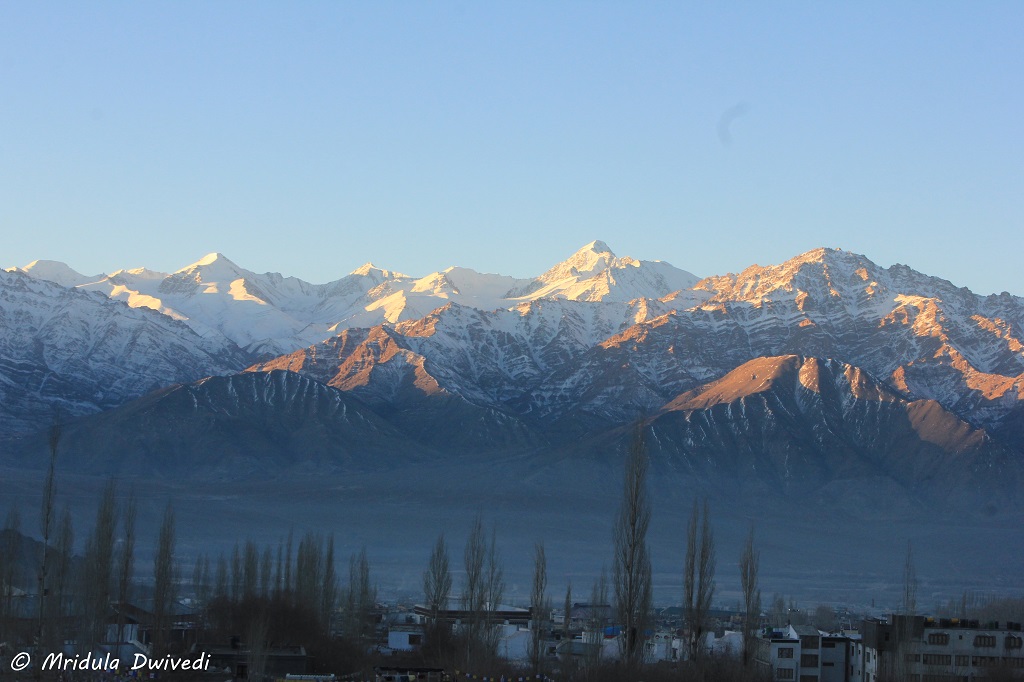
The mountains looked exactly the same as before. But the trip had changed something a little. Not in a dramatic life-changing way. Nothing cinematic like that. More like your mind becoming quieter for a while afterward.
Even now, certain small things bring the whole trip back immediately. When I reminisce about the cold air through an open car window, the smell of instant noodles at night, prayer flags tied between poles and roads disappearing endlessly into mountains.
Our trip to Ladakh ended that morning. But mentally, some part of it still feels unfinished.